VIDRUSH · BRAND GUIDELINES

What you'll find below isn't a set of ready made deliverables, like templates or fixed marketing assets. These are the brand identity elements, logo, color, typography, the building blocks everything else gets developed on top of. Room to build with, not a free pass.
Download all base files below. Use the dark logo only on dark backgrounds. Designing something new within the brand? Always align on it first and get it checked before it goes live.
Logo



Color
Primary
Accent
Grayscale
Static motion graphics
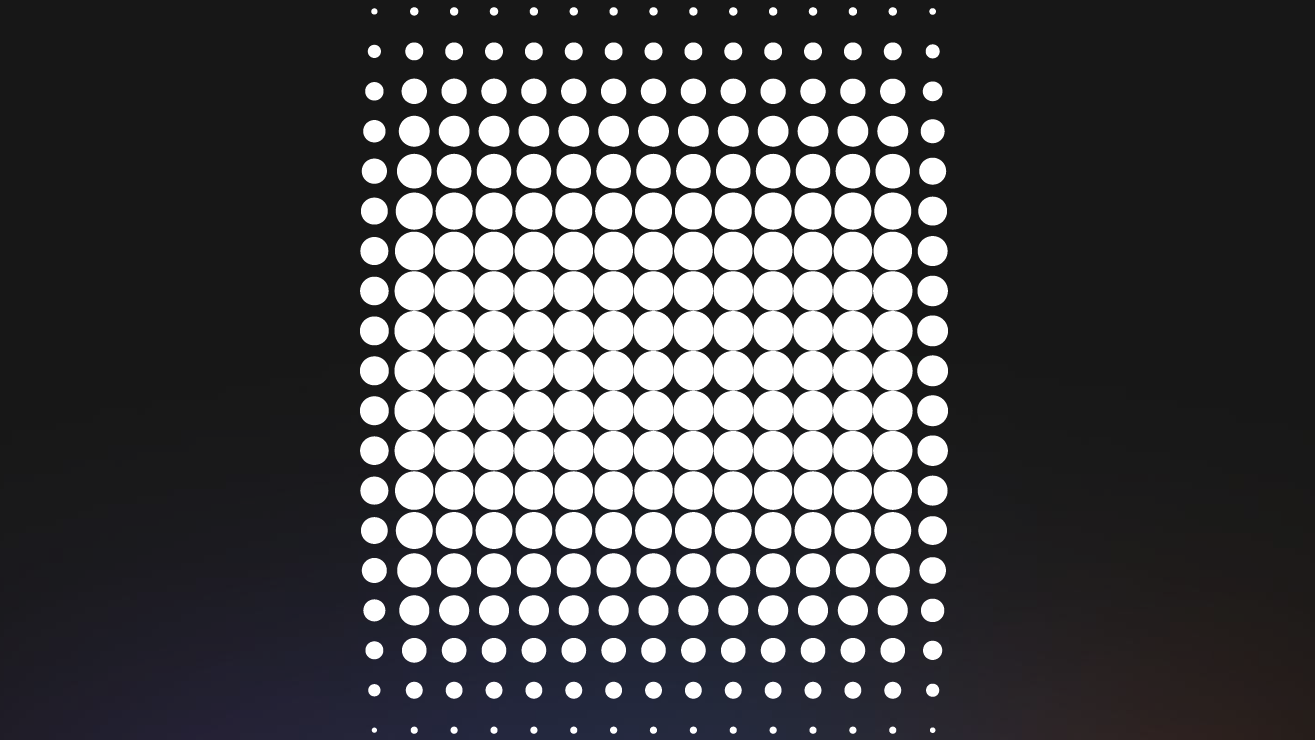
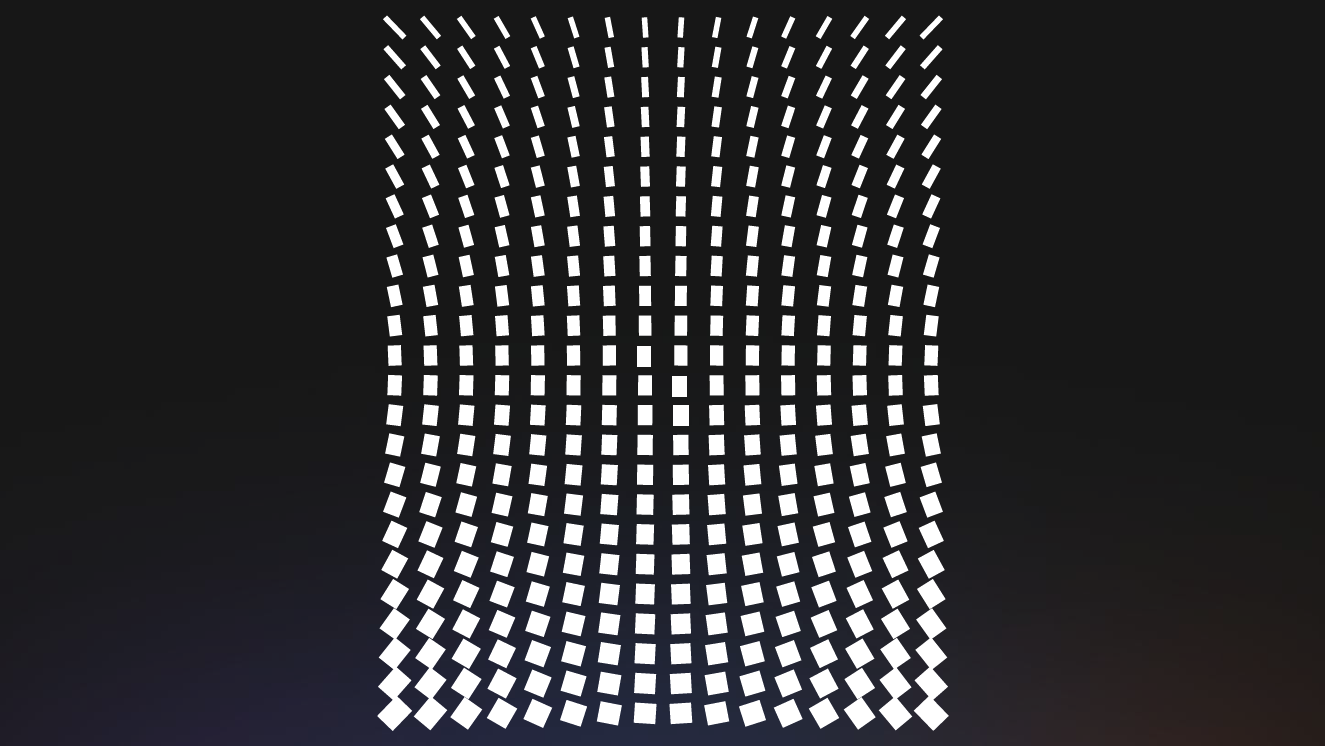
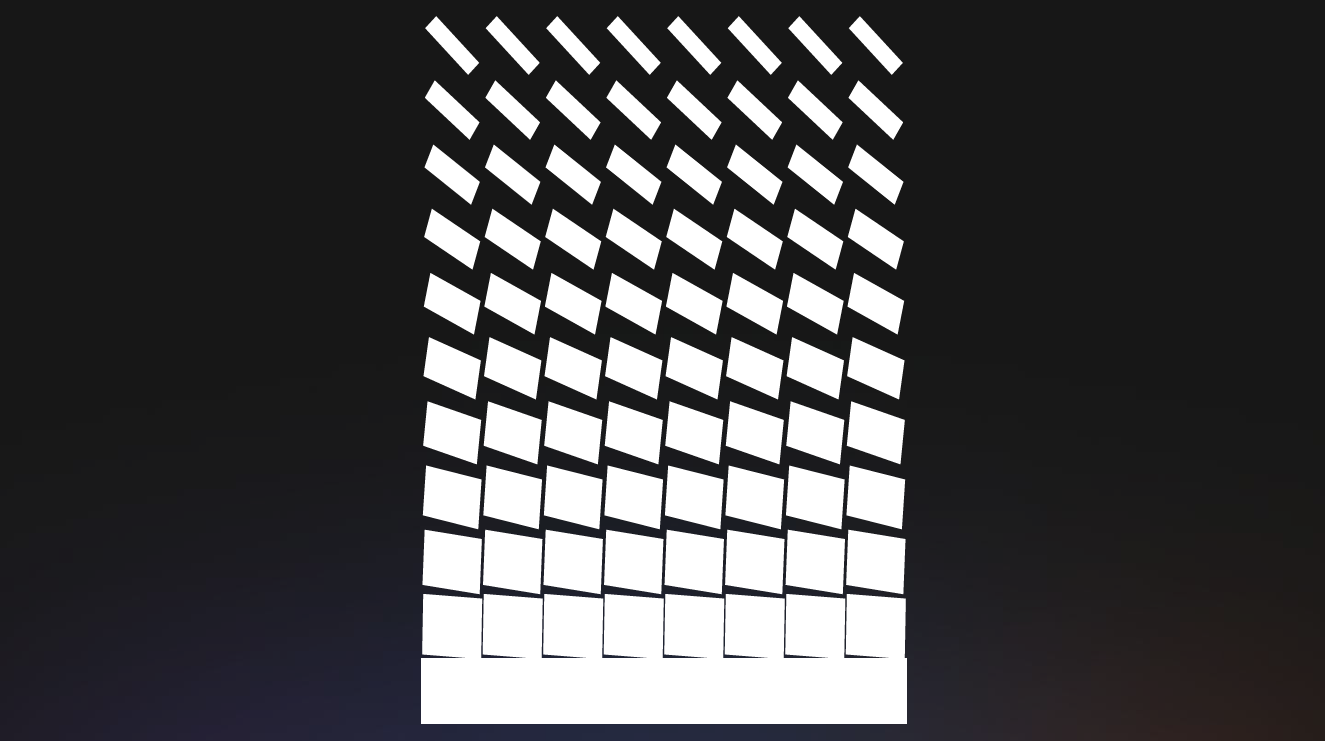
Motion is built from one vocabulary: the dot of the brandmark, repeated in a grid and then pushed out of line. Shapes travel from square to circle, fields fade in and out, rows lag behind each other — always white on near-black, always over the gradient. The frames below are stills from that system; use them as reference for pacing and direction, not as fixed compositions.


Dystopian
ADOBE FONTSManrope
GOOGLE FONTSType scale
Background
The gradient is the brand's atmosphere: one sunset, rendered as a set of ready-made backgrounds for stage, web, social and product surfaces. Use them full-bleed and unaltered — never re-create the shape with a gradient tool.
Rooted in the world of video
Editors and video makers know “golden hour” as the moment to shoot. A sunset as the brand's source taps into the user's world instinctively; it feels familiar, without needing to be explained.
Not a standard gradient, but a shape of its own
This isn't a linear or radial gradient from a standard library. There's a clear focal point, the place where light and warmth meet, surrounded by a soft, organic curve. That shape is unique and can't be replicated with a simple tool setting.
Zooming in and out as a creative principle
Zoom in and you see an intimate, warm patch of color. Zoom out and you see the full glow of the horizon. One image, endless possibilities.
As infinite as the subject itself
A sunset is part of something even bigger: the universe. That connects seamlessly; the videos users create can be about any subject imaginable. One system, built for an endless range of content.
Gradient tool
The reconstruction tool behind the gradient — a calibrated WebGL2 model of the source PNG with grain, drift, bloom and dispersion controls, a compare-slider against the original and native-resolution export. Reference only: ship the exported files above, never re-render the shape live in production.
Grain
Three grades, three phases. Grain marks how far a piece of work has travelled: raw input, work in progress, finished result. Pick the grade that matches the moment, and keep one grade per surface.
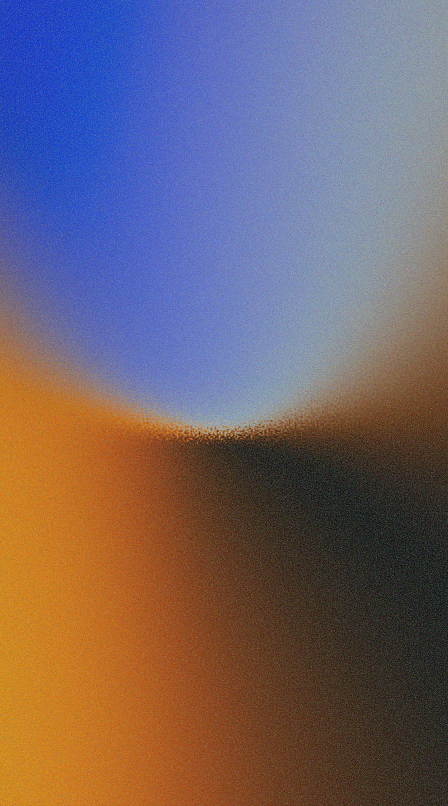
The starting point. Raw, unpolished, full of potential — for moments of input, upload and first concepts.
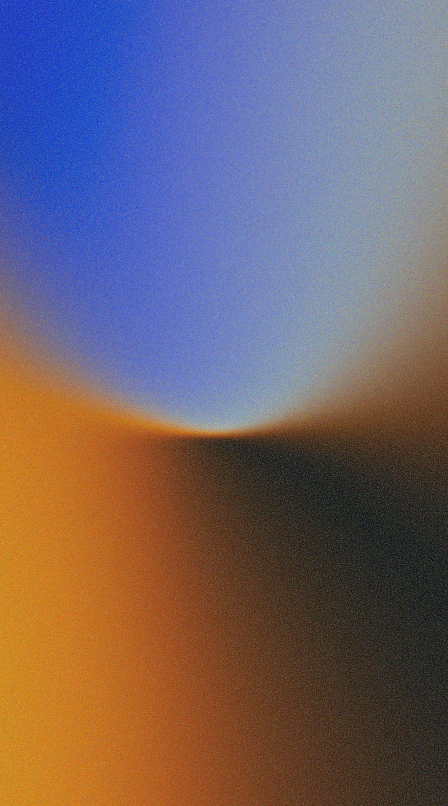
The process. The AI is at work, the idea is taking shape, but it is not finished yet.
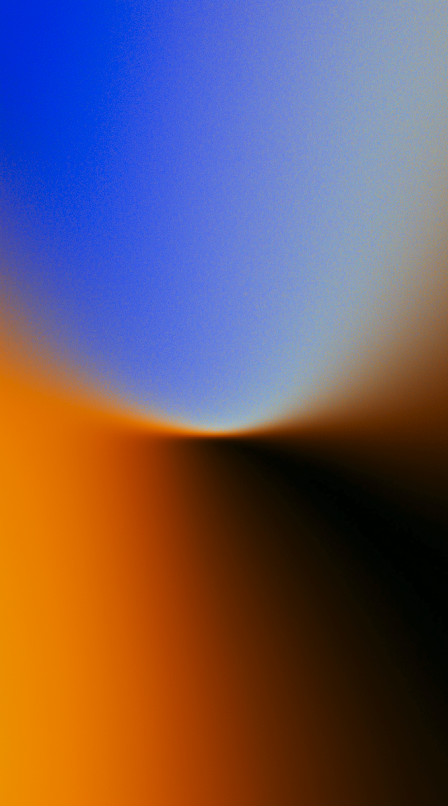
The end result. Clean, finished, ready to share — the calm and clarity of a completed product.
Slide deck
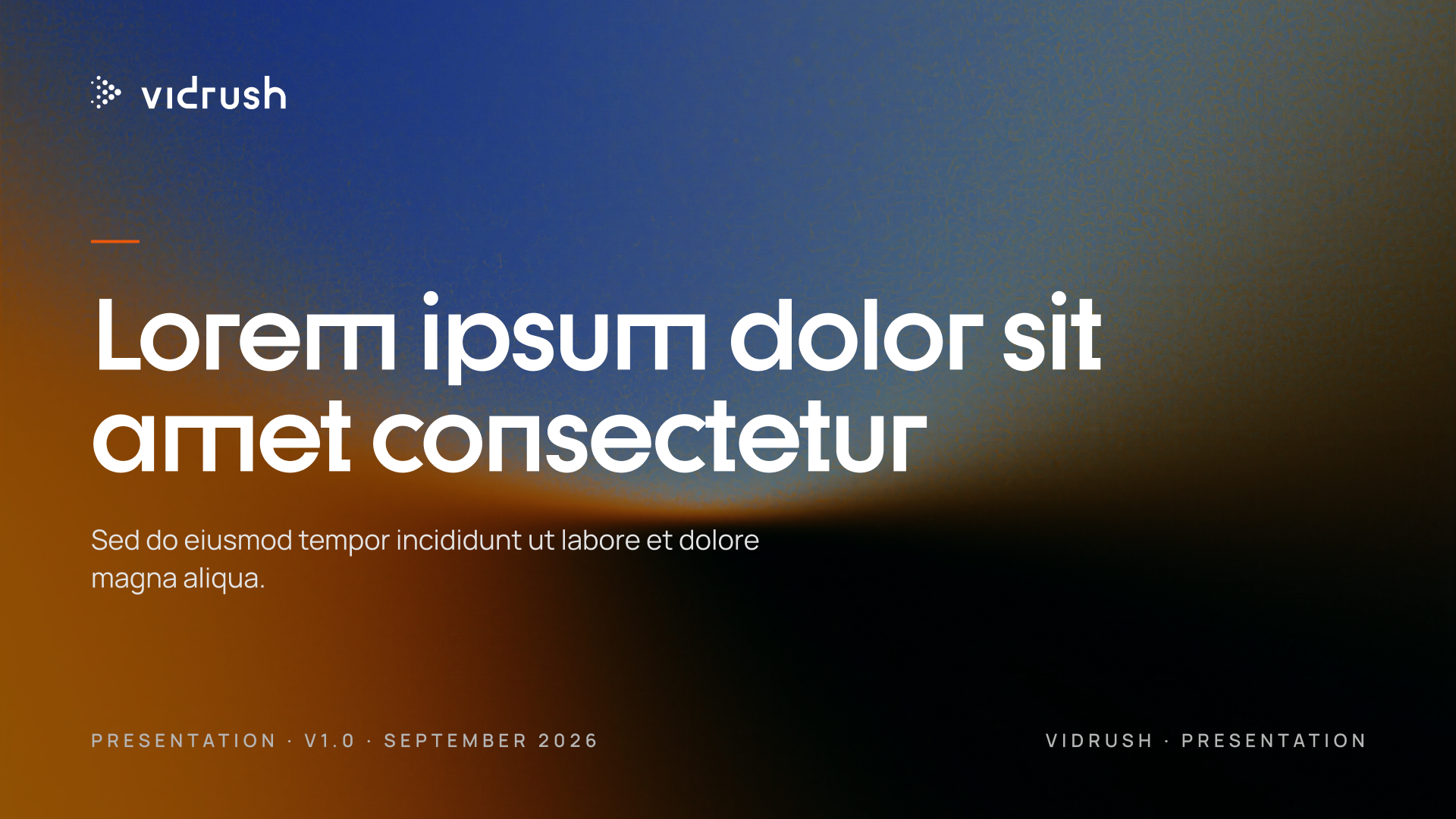
Slide deck template
Brand-aligned presentation starting point — cover, section dividers and content layouts built on the same logo, color, type and gradient rules as the rest of this guide.
Image
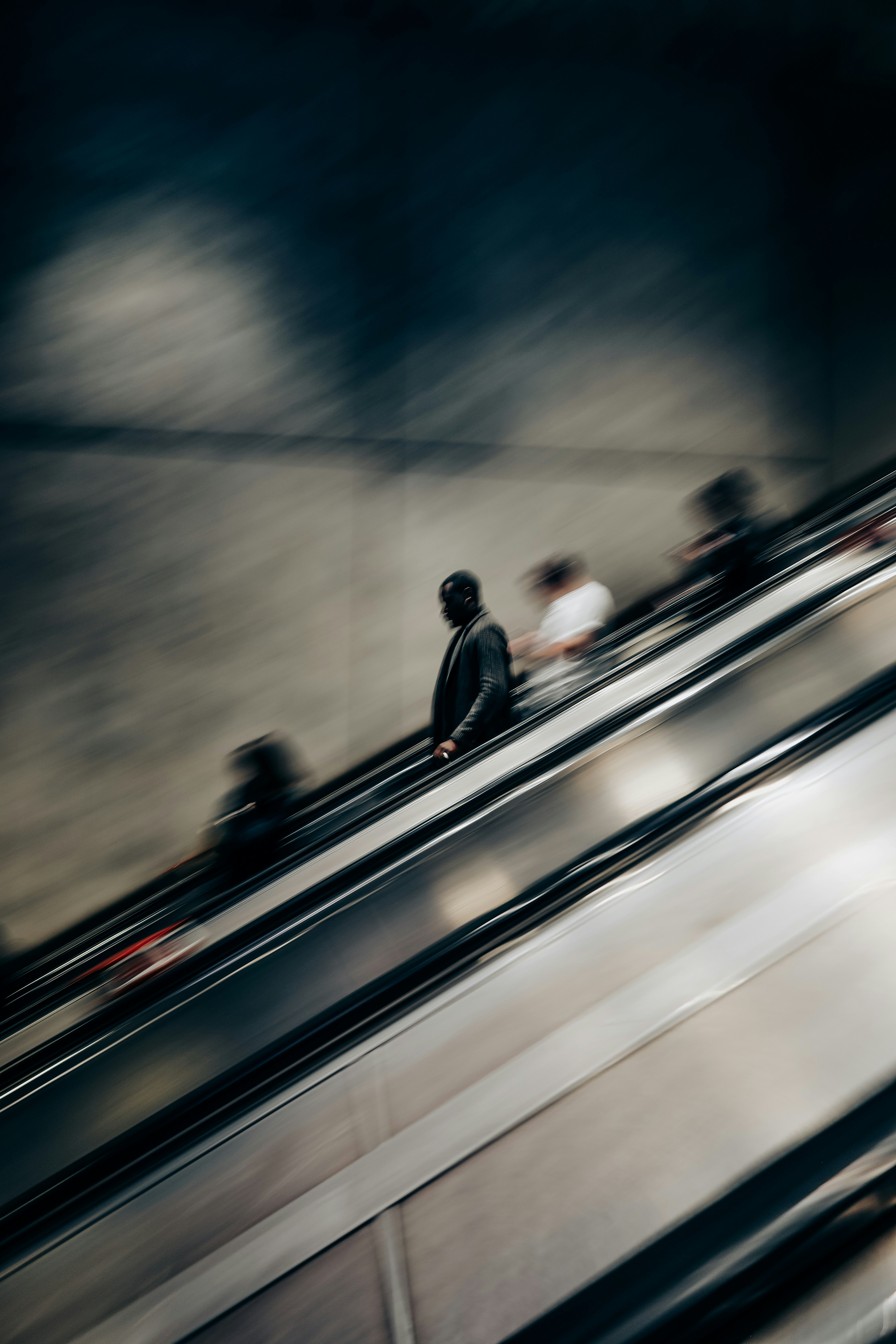
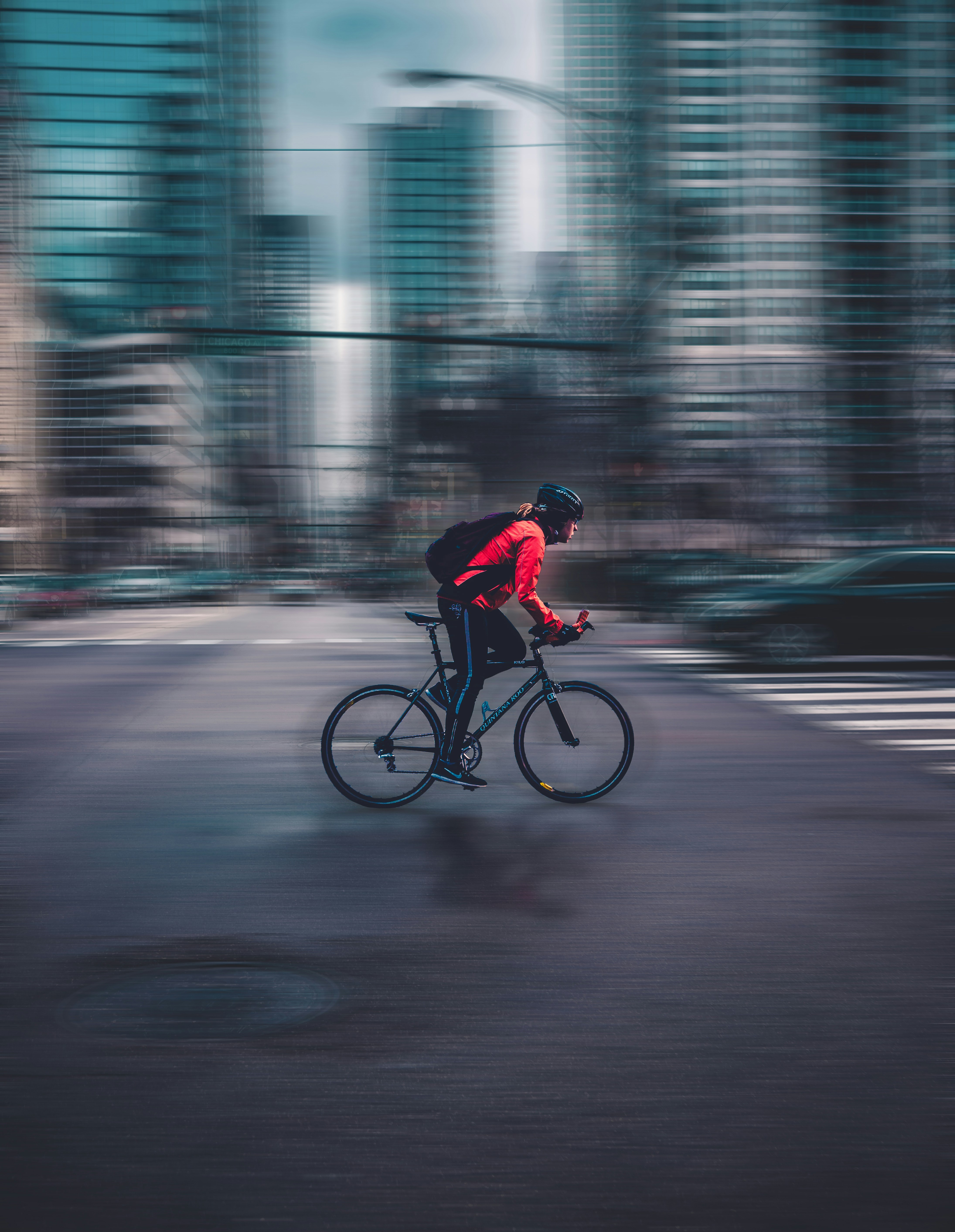
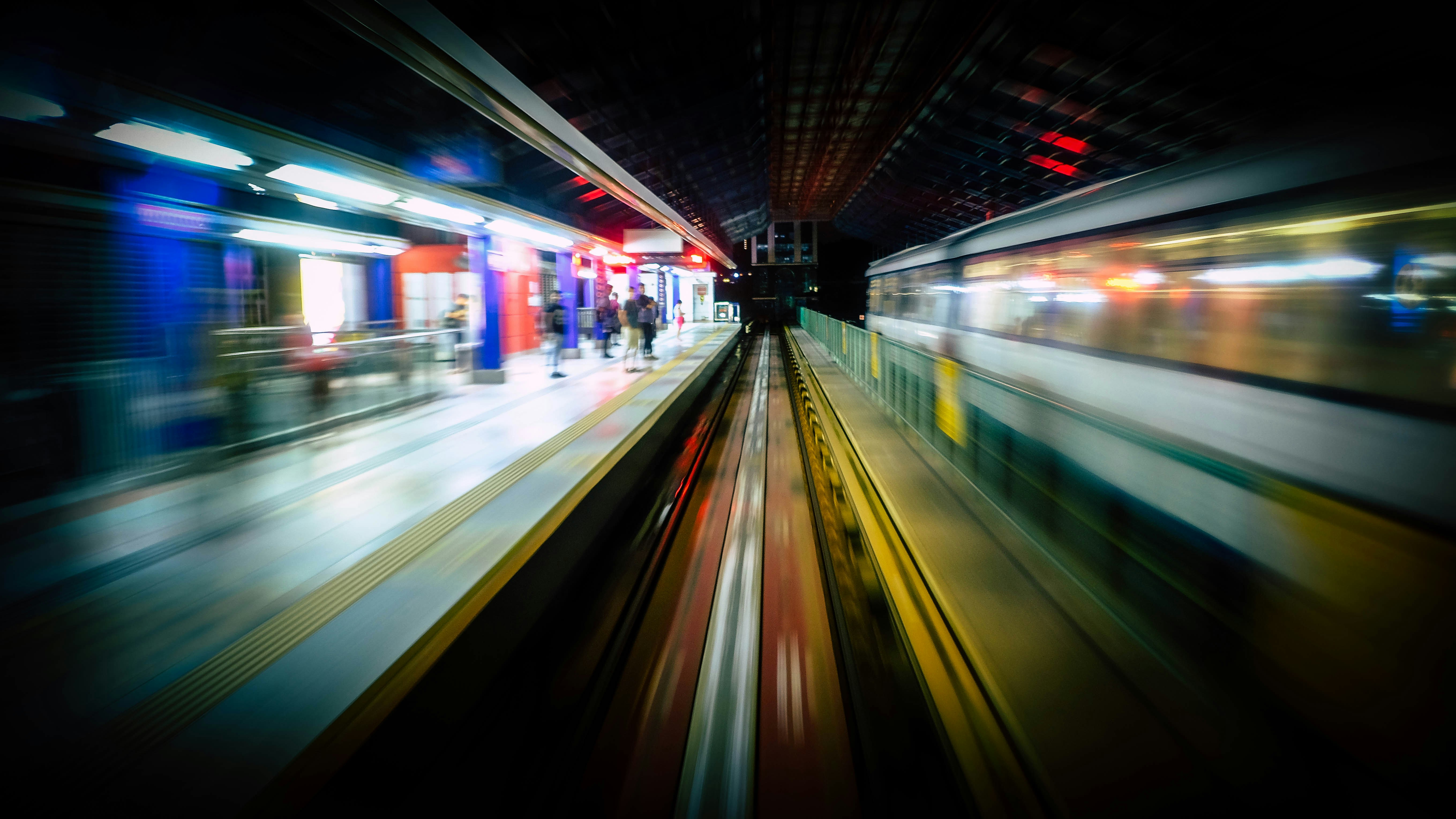
Photography carries the rush: long exposures, panning shots, subjects caught mid-movement. Choose frames where the motion itself is the subject — never a sharp, static scene.